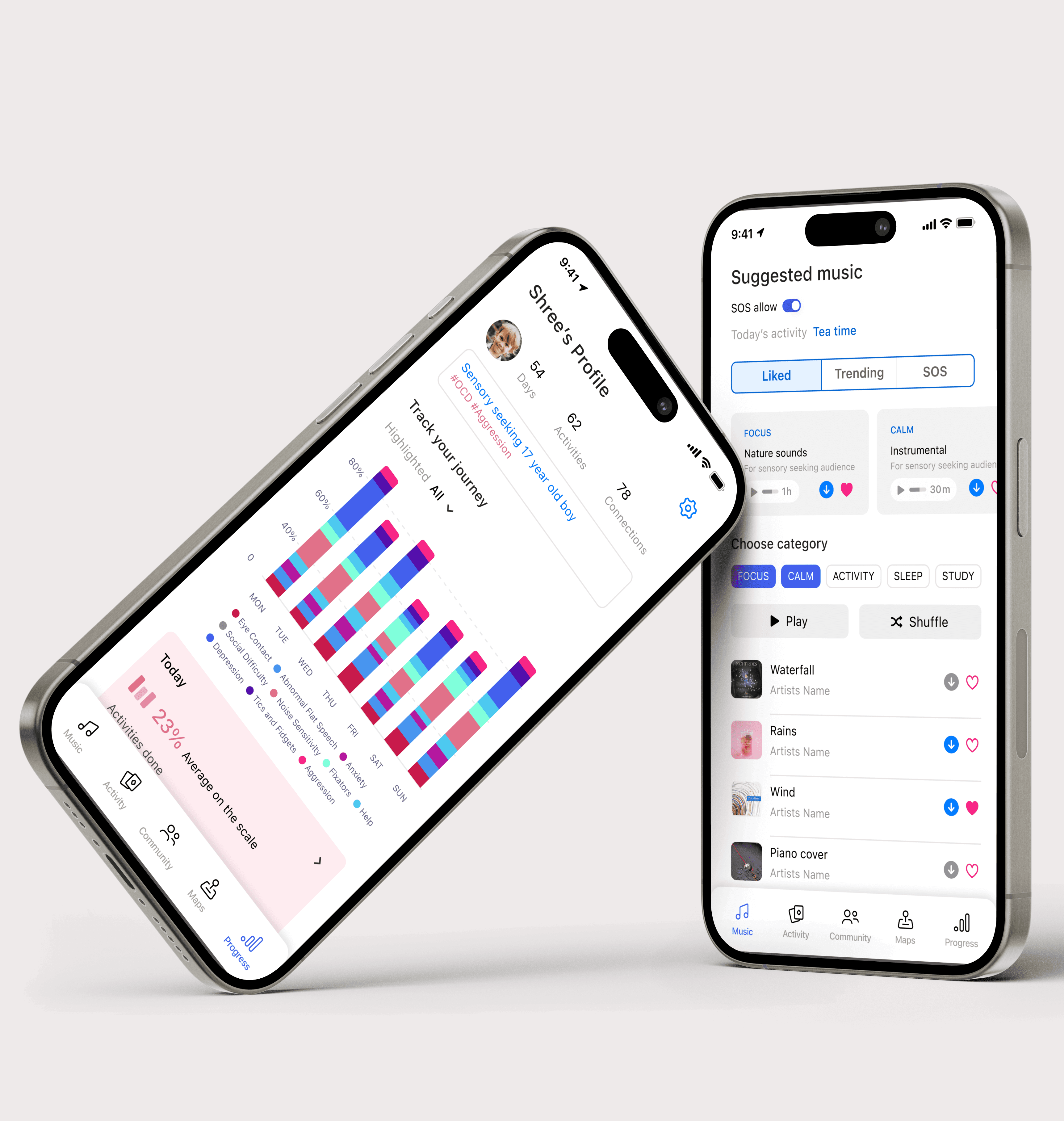
Marillac Place is a non-profit organization that supports women and children experiencing homelessness with 100+ residents and staff members.
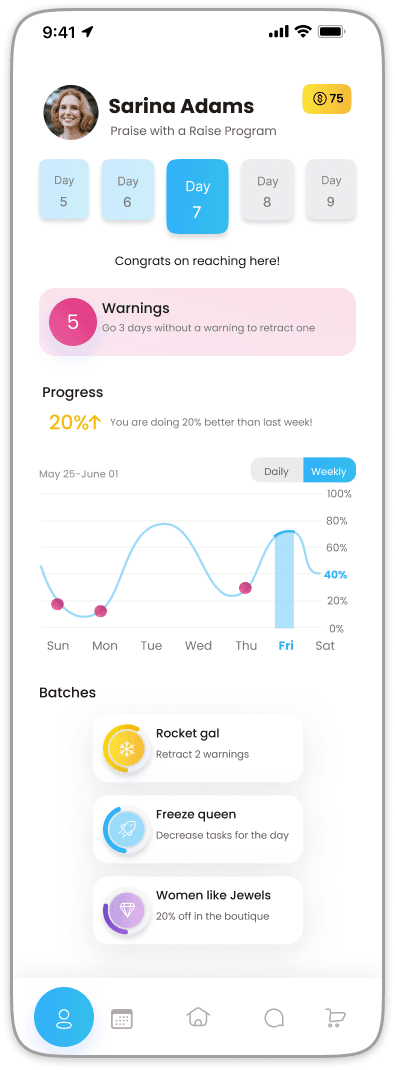
I co-designed a gameful task-management application with the frontline staff for their Praise with a Raise (PWAR) program. After iterating, I restructured the deliverables using a newly developed design system,
Role
Product Designer
UX Researcher
Research Assistant
Responsibilities
Wireframing & Prototyping
Design System
Codesign Workshop
Context-aware personalisation
Tools
Figma
Miro
Excel
Procreate
Timeline
May- Aug 2023
OVERVIEW
Impact
Validated through community-based collaboration:
Grounded in behavior science
Strong alignment with staff needs
Directly address challenges of the program
Positive reinforcement for gameful elements

We presented our research at CHI 2025, which was one of the best opportunities I received in HCI.
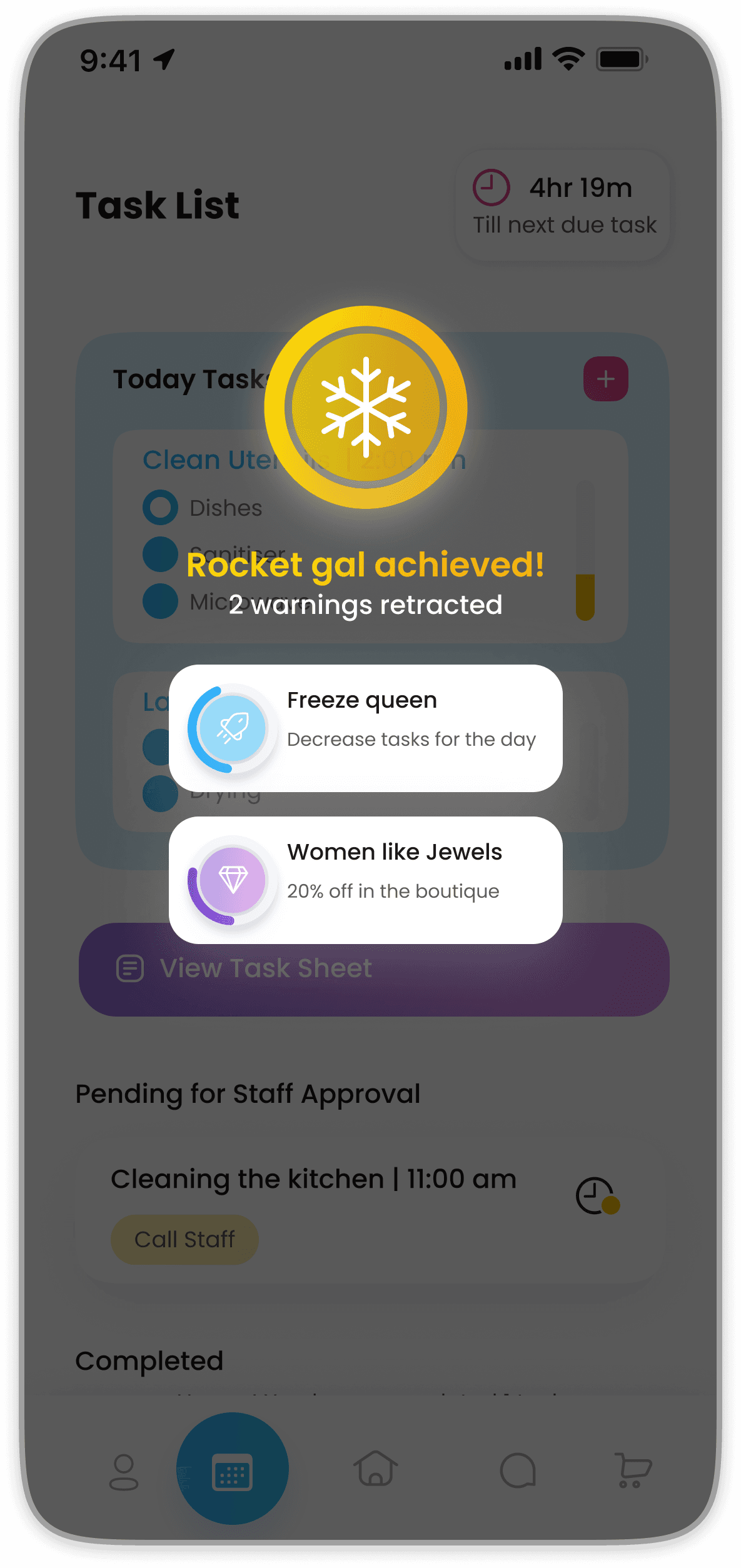
I digitized the weekly incentive Program, while ensuring trauma-informed care to increase engagement and scalability.
Task Tracking

Clear progress
Motivations
BACKGROUND
Marillac Place in Ontario supports women who are pregnant or with children, facing housing insecurity through parenting and life skill programs.
Their Praise with a Raise (PwaR) system incentivizes weekly completion of tasks with “Marillac Bucks' that are redeemable for essential items.
OPPORTUNITY
Reimagining the program not through coercion or control, but through choice.
With only 10 full-time staff members and over 100+ annual residents, the system presents challenges in manual tracking, flexibility, and staff workload. Thus, a digital solution would empower participants and support the long-term impact of the PWaR program.
Builds an incremental system that enables the staff to sustain the program
Modify Residents' behaviors through reinforcement without demotivating
Track Residents’ progress in the program currently tracked manually
Let residents review their progress and set their goals with their case managers
To improve the outcome of the program by designing a gamified digital app

HOW MIGHT WE
How might gamified digital design help families facing homelessness increase their autonomy, learn more skills and be more active in their communities?

PRE-WORK FIELD RESEARCH
We gathered information about the current working system through documents sent over by the staff. Further, the research team, including me, looked into gamification and the use of game elements in non-game contexts.
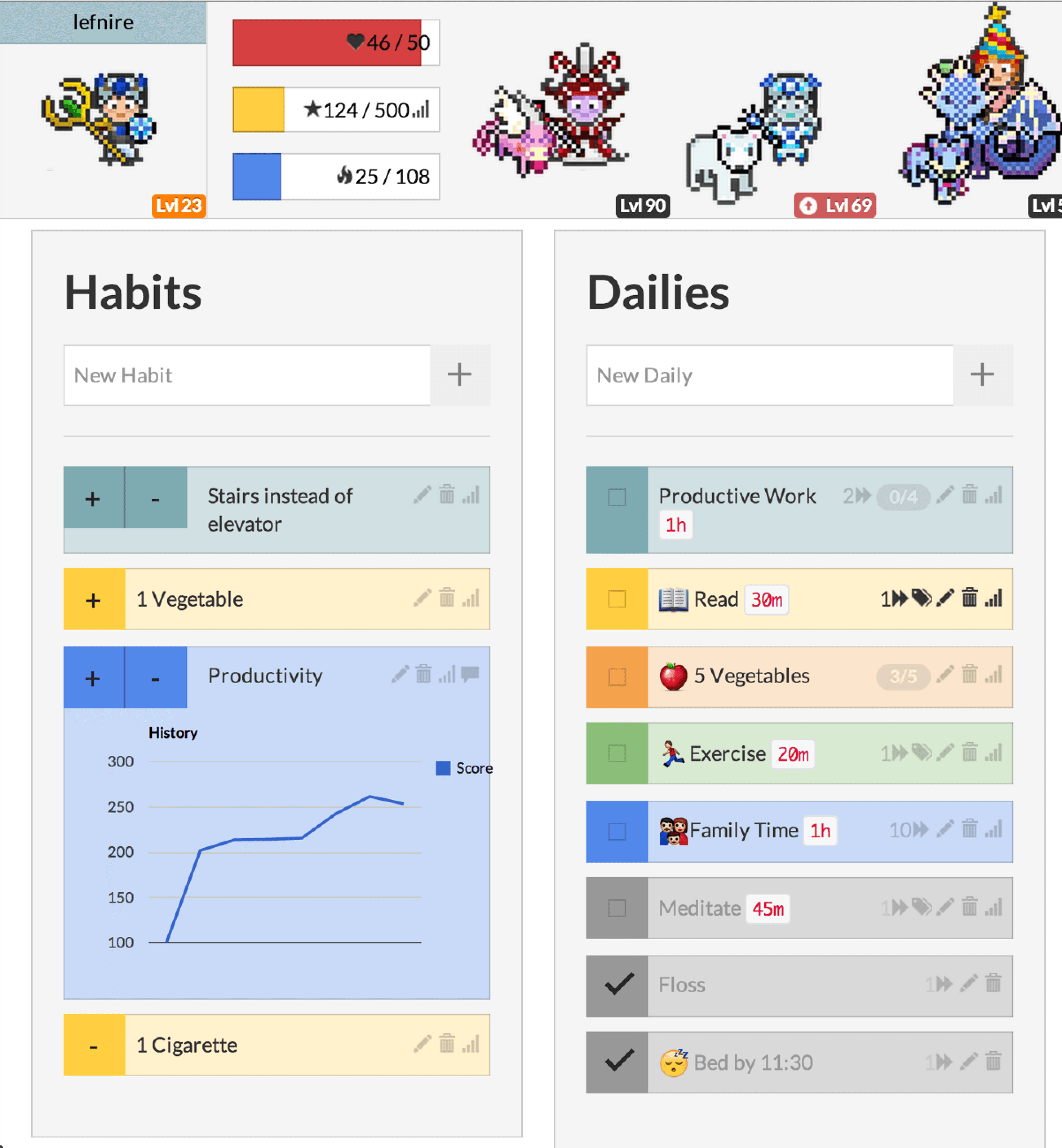
Breaking into intrinsic (behaviors and actions) and extrinsic (rewards) motivation.
Prioritizing short-term goals over long-term goals.
Providing positive messages or help resources after task completion.

General program information, program goals and expected outcomes, and existing recording sheets
Gave us insights into the resident program checklists (for chores), staff safety checklists, resident housing plan, baby check-ins, and residents’ program goals.
USER RESEARCH
I conducted interviews and focus groups before and after the design processes to understand the fit of gamification into the program
Innovation Meetings
Contextual interviews
To understand the maintenance of the program and how participation is motivated.
To group requirements into "Must-haves", "Should-haves", and "Could-haves".
Key Insights
Staff participation needs structure & safety through anonymity
Trauma-Informed care is understood but not operationalized
Front-line staff and Administration staff
Focus Groups
To understand the staff workflows and operational challenges.
To empathise with the need for digitization and psychological alignments
Key Insights
Administrative burden on staff is high
Behavioral patterns are complex and tasks can be emotionally taxing
I then broke down the separate needs for both the staff and the residents.
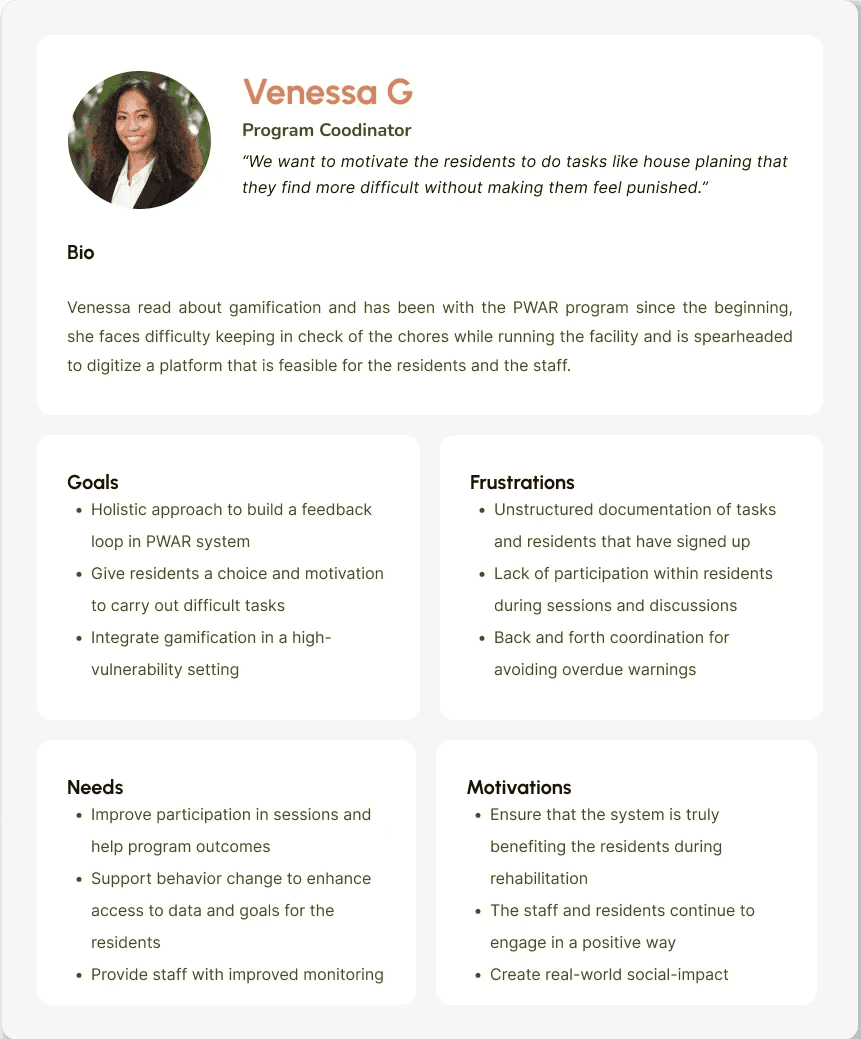
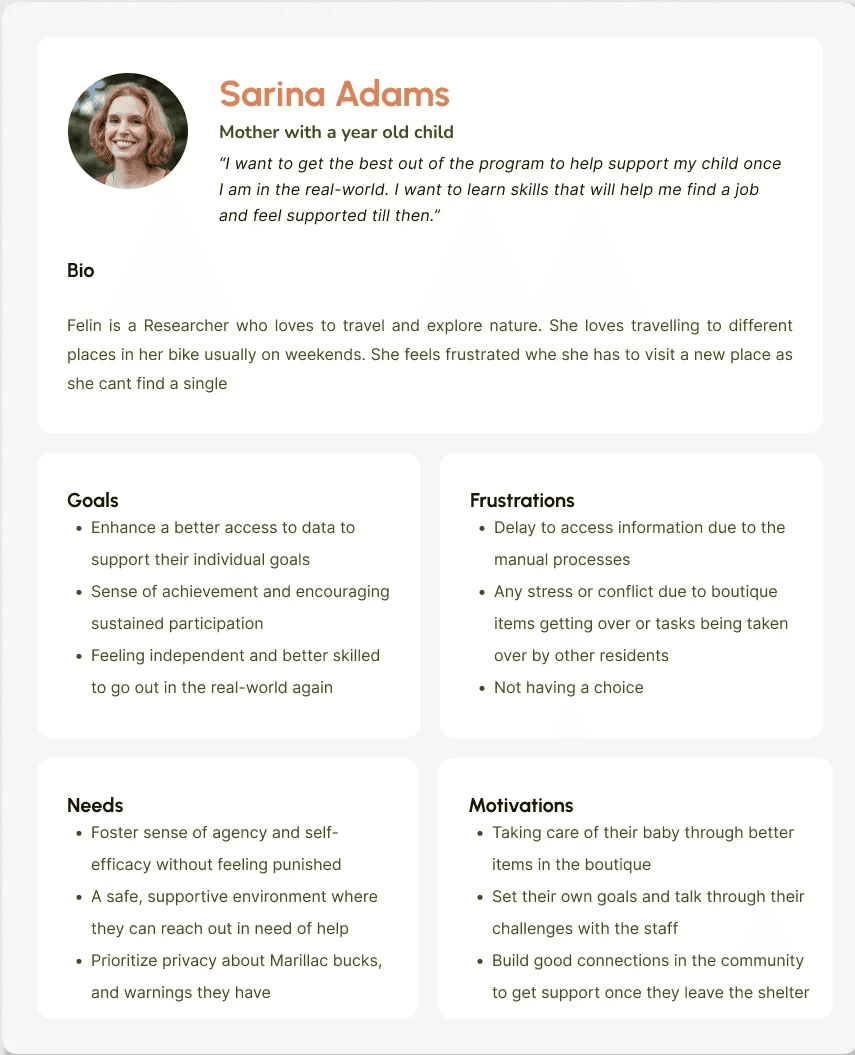
IDEATION
I addressed identified pain points to create a skeleton application, refining game strategies, and an abstract sense of the final interface to guide staff explorations.

Crazy 8s
Downselection Criteria
INFORMATION ARCHITECTURE
Resident
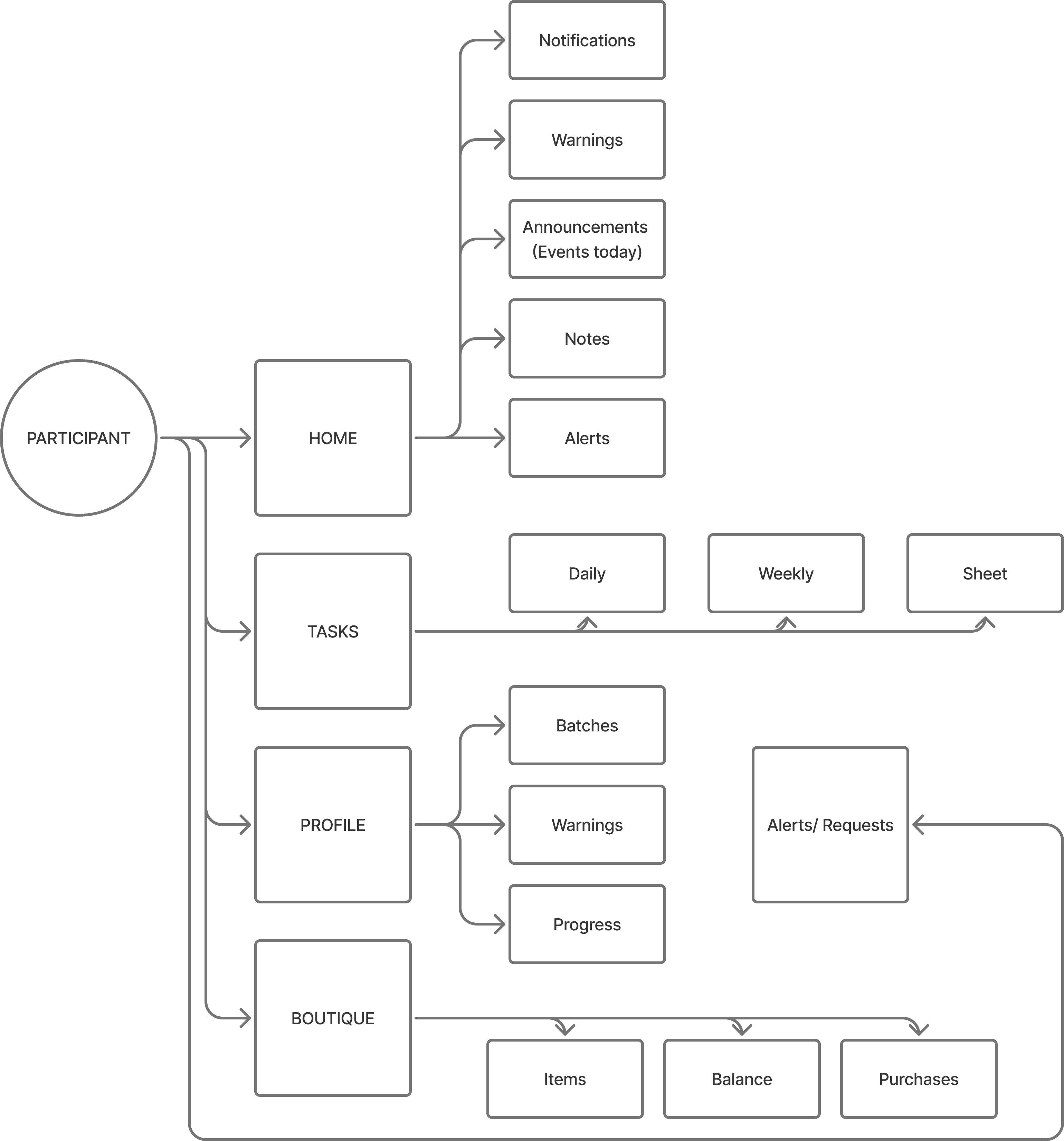
Staff

LOW FIDELITY
What would they see when they open the app?
Integrating further features

Integrating the current program

MID FIDELITY AND CODESIGN
I made sure the staff and residents were involved at every step to ensure logic and flow.
Methods
Follow-Up Focus Groups
Follow-up Interview
Focus Groups
To recognize the strengths and unique perspectives of the participants
To prioritize privacy and inclusivity
To understand their needs and requirements
Feedback
Summarizing tasks would help interpretation
Using MP bucks to motivate task completion
A way for the staff to announce or interact daily
RESULTS
I made the changes to ensure the deliverable aligned with their day-to-day routine
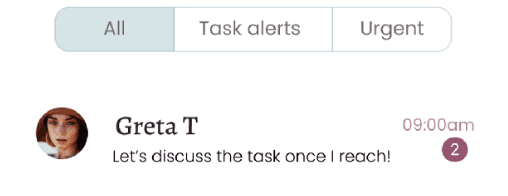

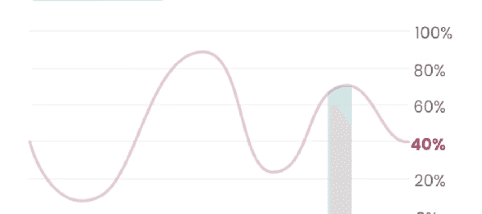
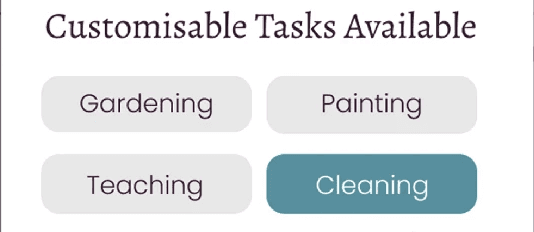
PREVIOUS VS REDESIGN
I redesigned the design system using a new lens to systems thinking and usability.
Before- Home
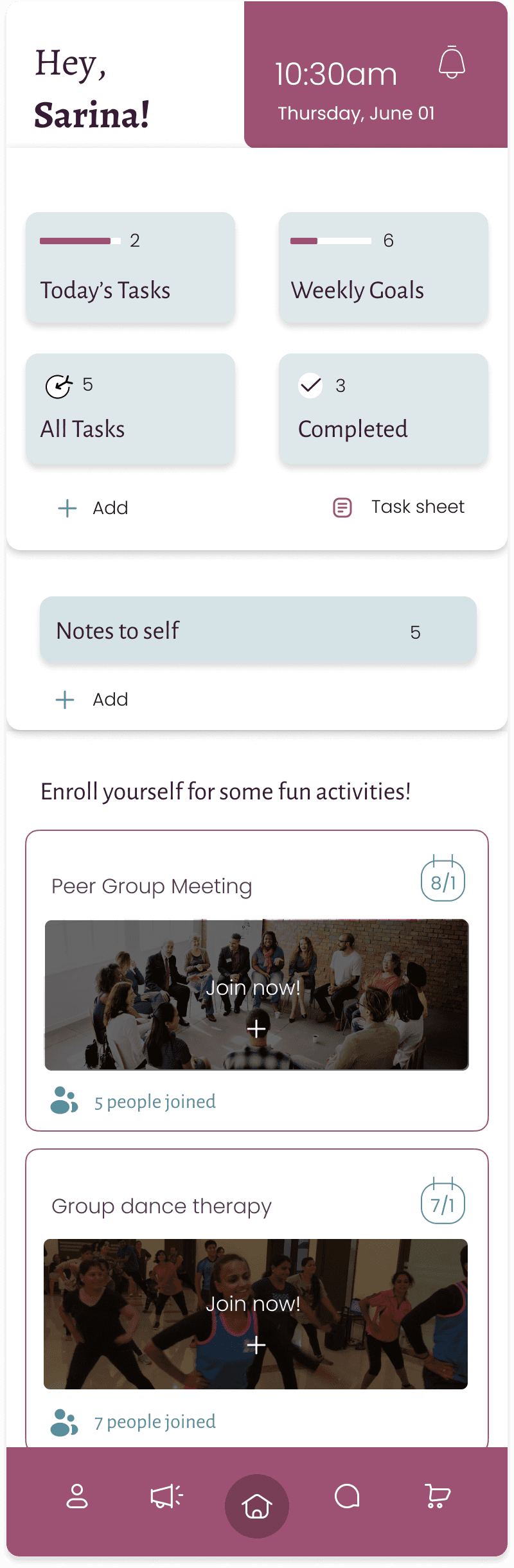
After- Home
Rationale
Before- Profile

Rationale
Before- Task

Rationale
Motivate through progress bars and divisions to get closer to task completion.
Separating the pending and completed ones helped the staff.
Ability to customize new tasks without asking staff.
Before- Task list

After- Task list

Rationale
DESIGN SYSTEM
We revised the color scheme to balance urgency with emotional safety, to avoid feelings of coercion.
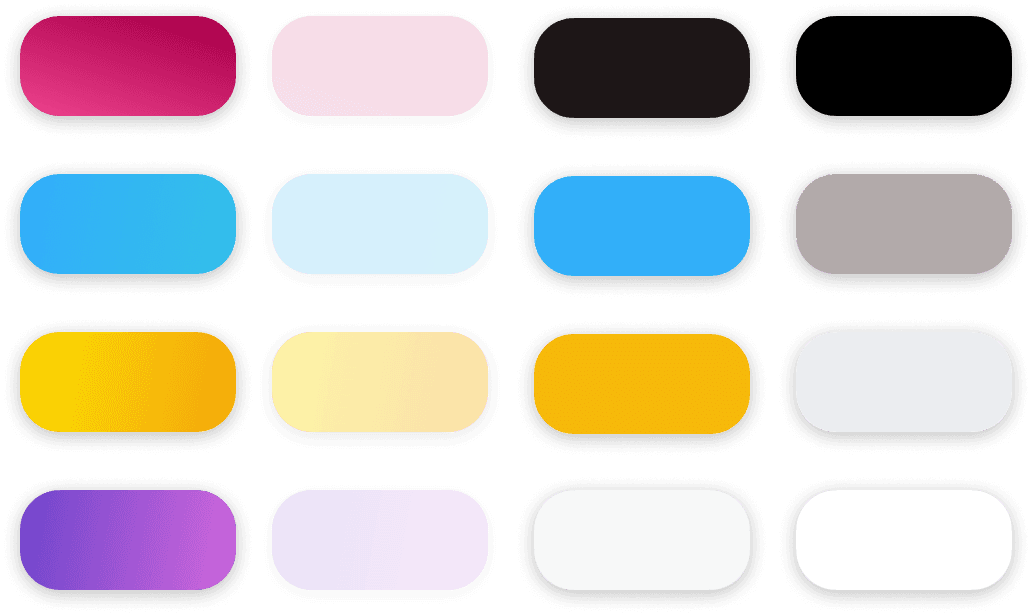
Colors
Use of blues is key in trauma-informed environments.
Bright, saturated yellows are used to show energy and motivation.
Gradients suggest progression
Purple indicates requirement elements.

Font
LEARNINGS
A diverse team led us to include iterative, multi-phasic methods to develop persuasive system designs
Working within Real-World Constraints
Being an external researcher, I had to empathize with their point of views
We could not deploy due to a lack of community-based funding
Organizations lack the resources and expertise to develop a novel software
Psychology of behavior modification was crucial to be known